
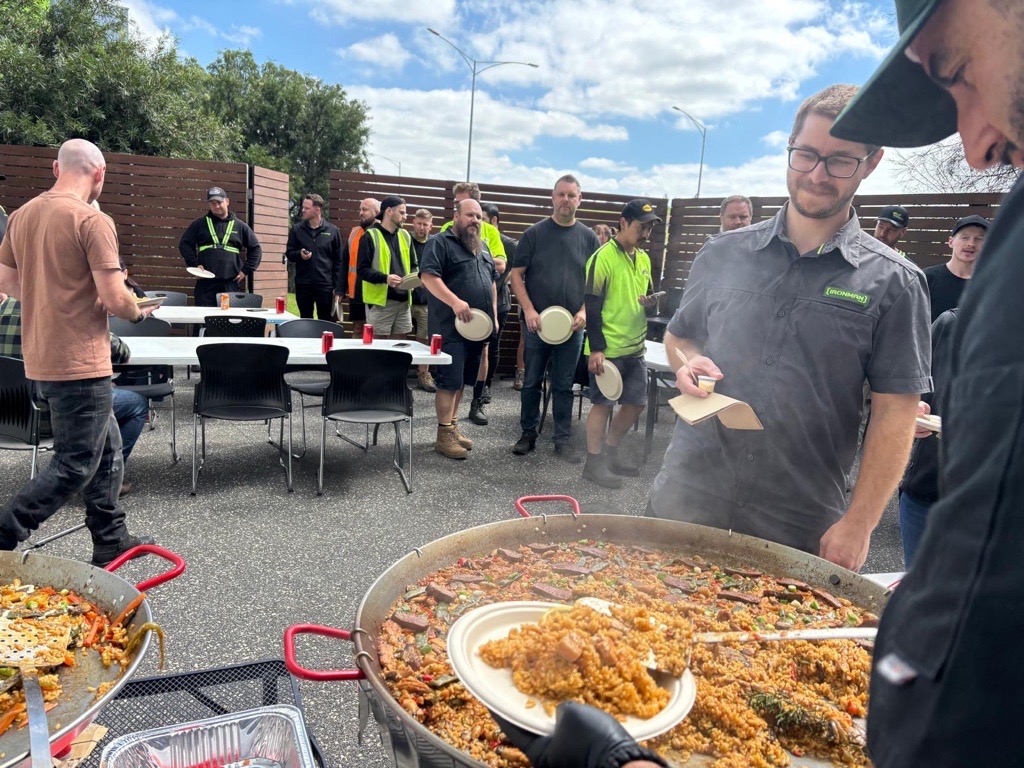
There's a common assumption that paella is a summer dish — something for long warm afternoons in the backyard. That's understandable. But ask anyone from Madrid or the interior of Spain and they'll tell you something different: paella is cold weather food. The hearty mountain varieties — pork ribs, rabbit, seasonal vegetables — were built for winters that Melbourne doesn't even come close to.
The experience of standing around a large, steaming pan on a cold June evening, the saffron smell cutting through the air, everyone with a glass of red wine and nowhere else to be — that's not a compromise on summer. That's something better.
Why Melbourne Winter is Paella Season
The dish itself is built for cold weather. Paella is fundamentally a one-pot rice dish cooked over high heat with rich proteins, deep sofrito and saffron-infused stock. In summer, the lighter seafood varieties are the natural choice. In winter, the meat and mixed paellas come into their own — lamb shoulder, pork ribs, chicken thighs, chorizo. The deeper, more caramelised socarrat makes for a substantially more warming, more satisfying meal.
Live cooking creates warmth in both senses. When Ignacio sets up the paella pan on a cold evening, the flame from the gas burner radiates heat outward. Guests naturally gather closer. The steam coming off the rice as the stock absorbs is visible. In summer, this is theatre. In winter, it's theatre and a heat source.
Winter gatherings need a centrepiece. A summer party has the weather working for it. Winter gatherings are more intimate and benefit from having something at their centre. A live paella pan is that something.
June and July are your least competitive booking months. Most Melbourne event hosts assume demand peaks in summer. The reality is that corporate end-of-year events (June–July) create steady demand — but dates are easier to secure than November or December.
The Best Paella Varieties for Winter
Paella Montañesa (mountain-style paella) — Ignacio's personal recommendation for winter. Pork ribs, paprika, seasonal vegetables, no seafood. It originated in the Spanish interior where winters are genuinely harsh. Dense, warming, deeply savoury.
Mixed meat paella (chicken and chorizo) — the most broadly appealing winter option. The chorizo gives the sofrito a smoky depth that the seafood version doesn't have. Works well for groups with mixed preferences, kids included.
Mixed paella (meat and seafood) — a good middle ground if your group is split. The richer protein base handles the cold better than a pure seafood version, while the prawns and mussels keep the visual drama.
Arroz Negro (black rice) — the deep, squid-ink richness feels right in cold weather. One of the most visually striking paellas and consistently one of the most-watched videos on @tapas.madriz.
Setting Up for a Winter Paella Event
Covered outdoor space works best. A pergola, undercover deck or patio keeps the rain off the pan. The paella itself is unaffected by cold — the gas burner maintains consistent heat regardless of temperature — but wind can affect the flame.
Fire heaters are a natural pairing. The paella pan itself radiates heat, but if you're running a larger event, a patio heater or two turns a cold evening into a comfortable one. The aesthetic of the gas flame on the paella pan next to an open fire heater is genuinely spectacular.
Tapas as starters in winter. The tapas-before-paella structure works particularly well in winter because it keeps guests warm and moving. Patatas bravas with alioli, warm croquetas, pan tumaca — these are the actual Spanish tradition. In winter, we often recommend running the tapas slightly longer (50–60 minutes) to let the paella develop properly.
Timing. For evening events, we recommend a 5–6pm setup time with guests arriving from 6pm, tapas served from 6:15pm and paella ready by 7:15–7:30pm.
What Winter Events Work Best
Corporate end-of-year events (June–July). Many Melbourne businesses run their end-of-year celebration in June or July — because the financial year end creates a natural occasion. Live Spanish catering for a team of 20–60 is a strong alternative to a restaurant booking. For more detail, see the corporate catering page.
Birthday dinners and milestone celebrations. A 40th, 50th or 60th birthday in winter benefits from the intimacy that cold weather creates. People gather, stay and linger over the paella.
Sports club and community group events. Winter sports seasons are in full swing in June — AFL, soccer, rugby. Post-season events and fundraisers for clubs across Melbourne's south-east regularly feature live paella.
Private dinner parties (15–30 guests). The private chef experience is particularly well-suited to winter. Ignacio cooks a curated menu in your home or garden, leaving your kitchen completely free.
Pricing and Booking
Live paella catering from Tapas Madriz starts at $39 per person for paella-only, and from $65 per person for the full tapas and paella package. Winter pricing is the same as the rest of the year — no seasonal surcharge.
| Package | Price | What's included |
|---|---|---|
| Paella Only | From $39pp | Live paella, full setup & cleanup |
| Tapas + Paella | From $65pp | Tapas starters + live paella, full service |
| Premium Chef's Package | From $95pp | Full tapas spread + signature paella, premium ingredients |
June and July dates are currently available. We recommend booking 2–3 weeks in advance for a specific Saturday.
To check availability and get a tailored quote for your winter event, use the enquiry form or WhatsApp Ignacio directly at 0422 184 779. Response within 24 hours.